ERFAN FLUID EQUIPMENT (JIANGSU) CO., LTD. is a specialist fluid control solutions provider that
combines R&D, manufacturing, sales and engineering service under one roof, with a factory of its
own. The company focuses on fluid control and specialises in laboratory central gas supply systems,
delivering full-lifecycle service — system design, product manufacturing, site installation and
after-sales support — to customers in universities, research institutes, biopharma, chemical,
new-energy and food industries.
OWN FACTORY R&D and production in one LEAK TEST Every unit pressure-tested LIFETIME SUPPORT 24-hour response IN STOCK Standard models ship direct CUSTOM BUILT Made to drawing and specification SYSTEM DESIGN Dedicated engineering team PIPE INSTALLATION Full-process service IN-HOUSE R&D Quality assured COMMISSIONING Operator training
01 / GAS SYSTEM
Laboratory central gas supply systems
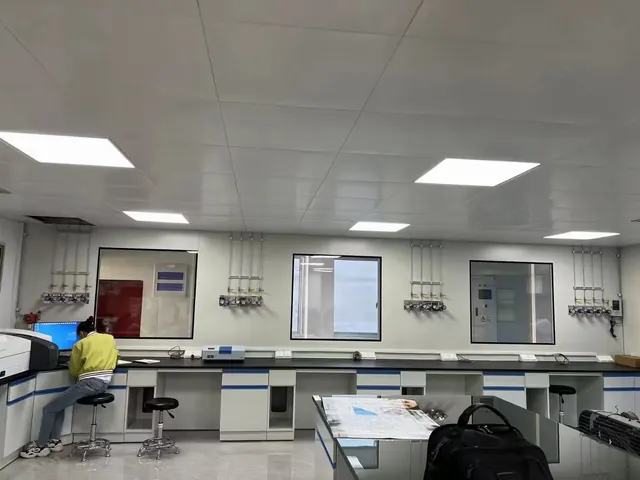
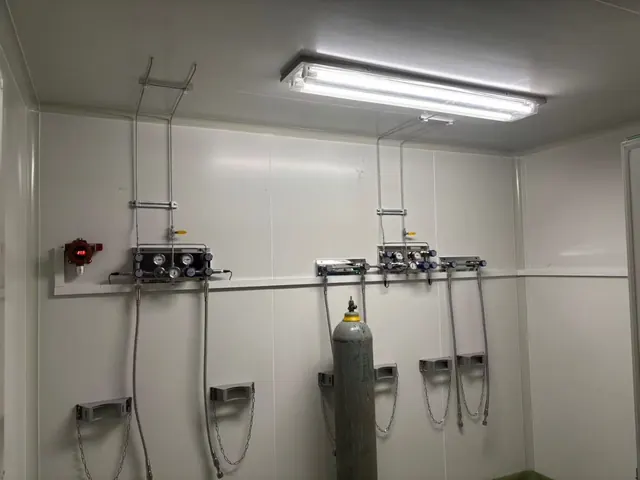
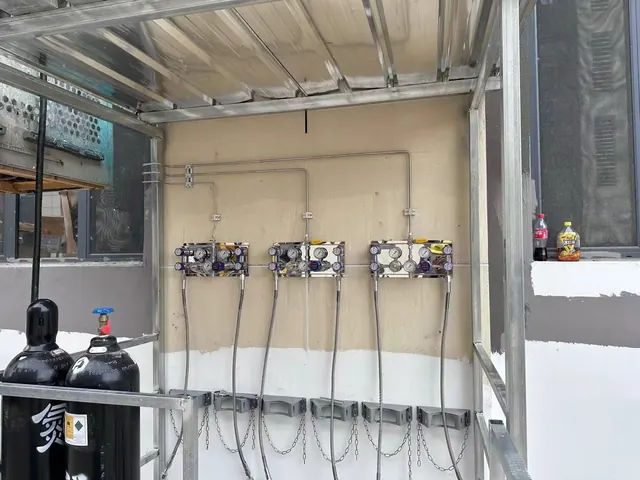
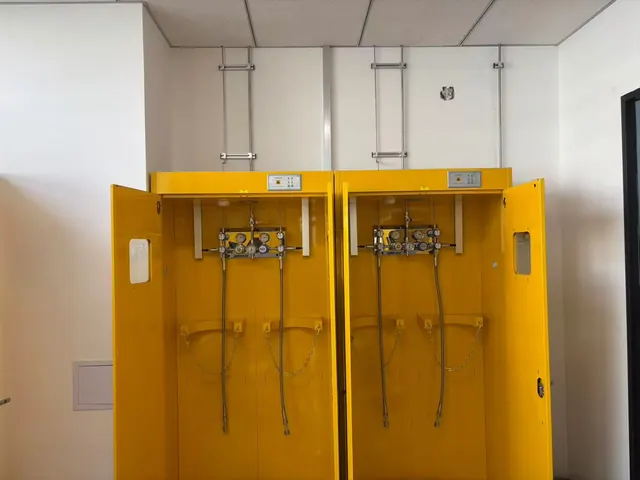
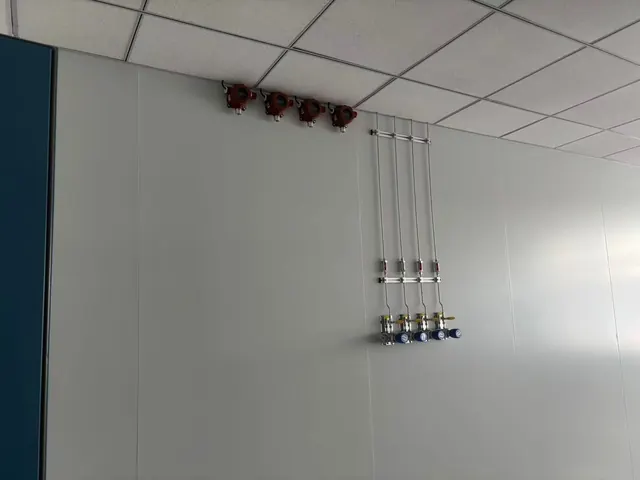
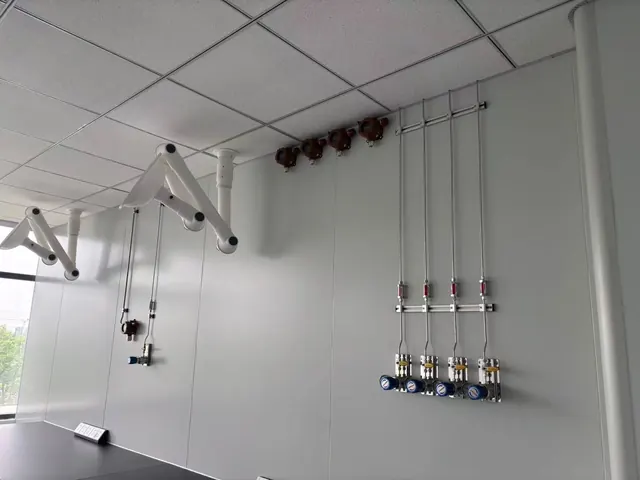
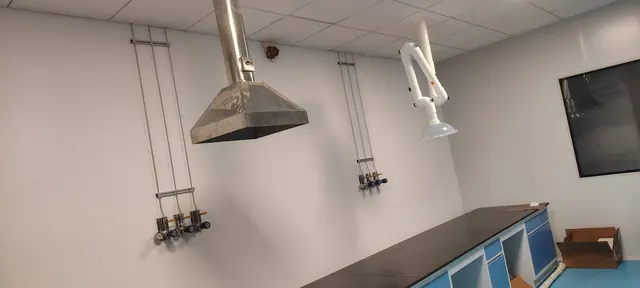
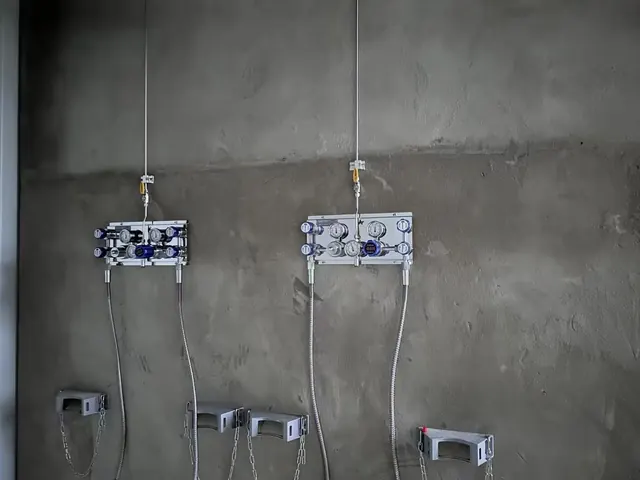
We gather cylinders scattered across the floors of a building and the points of use they feed into one
gas source system that is pressure-controlled, visible in status and reachable for maintenance:
designed once, from gas source to point of use, so that later modification is not needed.
01
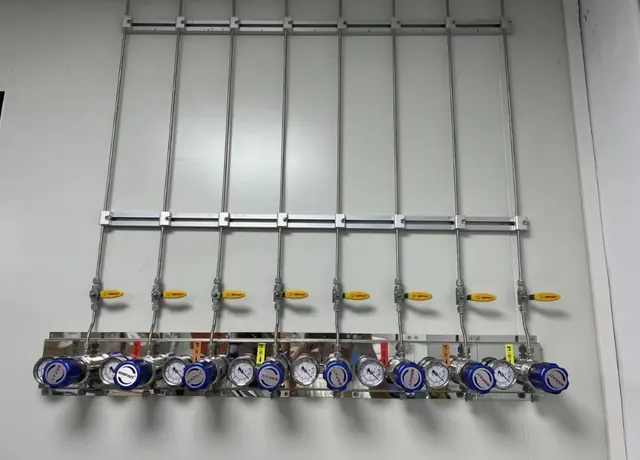
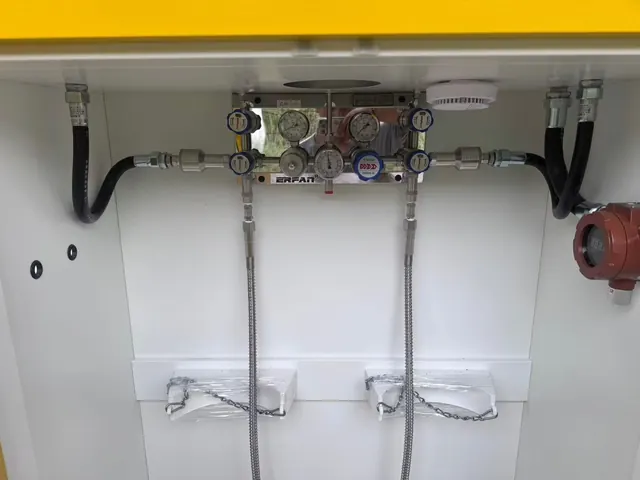
Gas source and manifolds
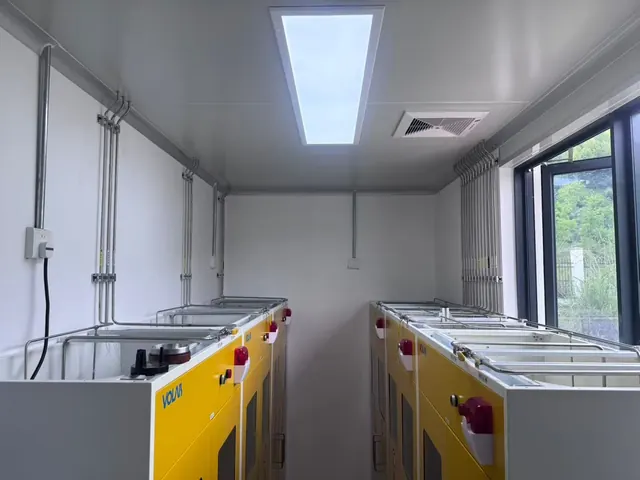
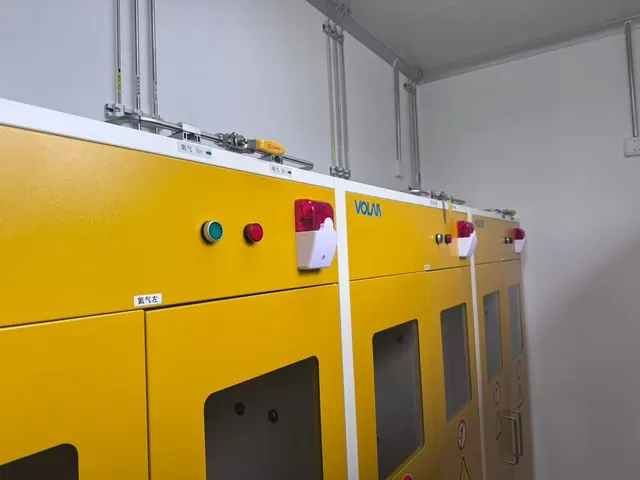
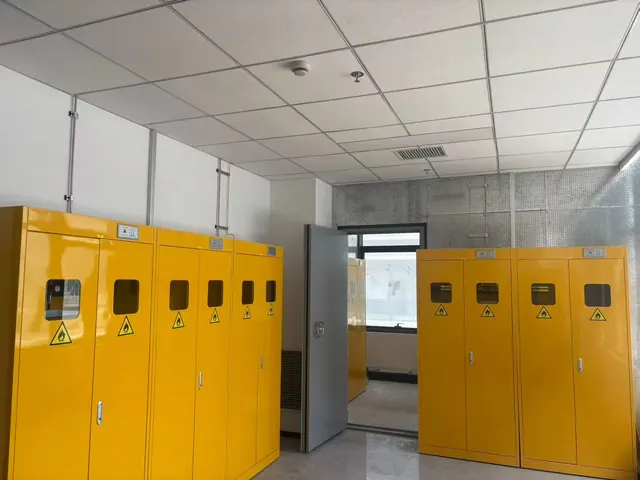
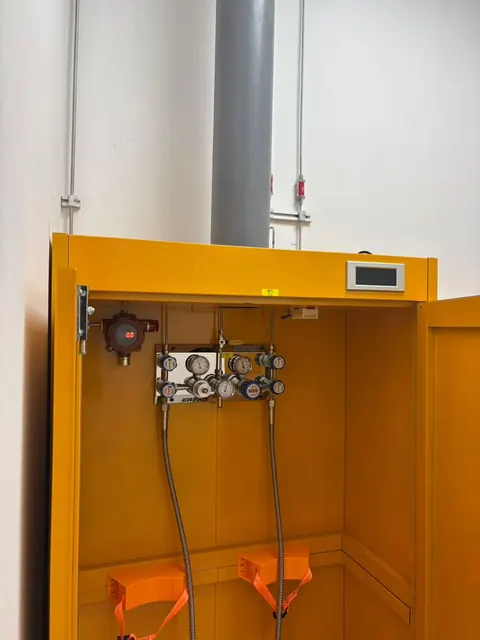
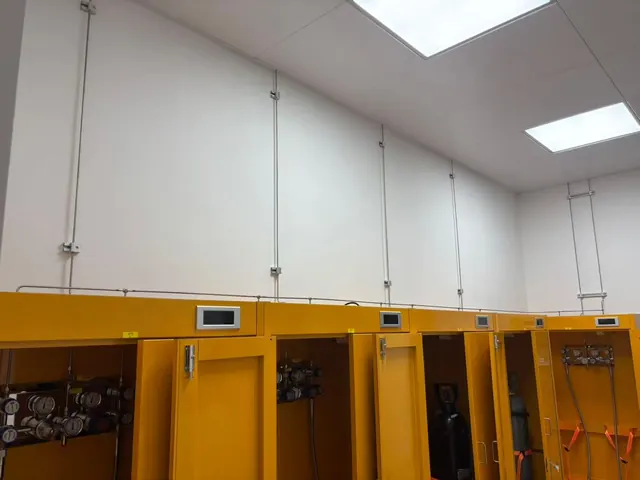
Cylinders are secured in a dedicated gas cylinder room, with left and right banks changing over
automatically so that cylinder replacement never interrupts supply; restraint and ventilation
requirements are covered by the design.
02
First-stage regulation and stabilisation
High pressure is reduced to the working pressure of the pipeline and held stable, with safety
relief fitted to ease the duty on point-of-use adjustment.
03
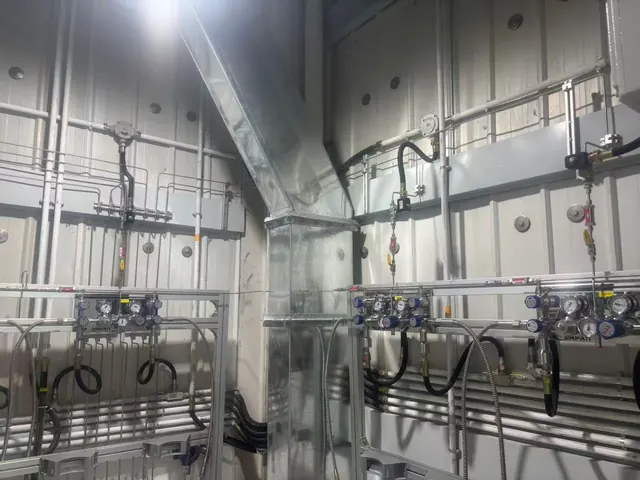
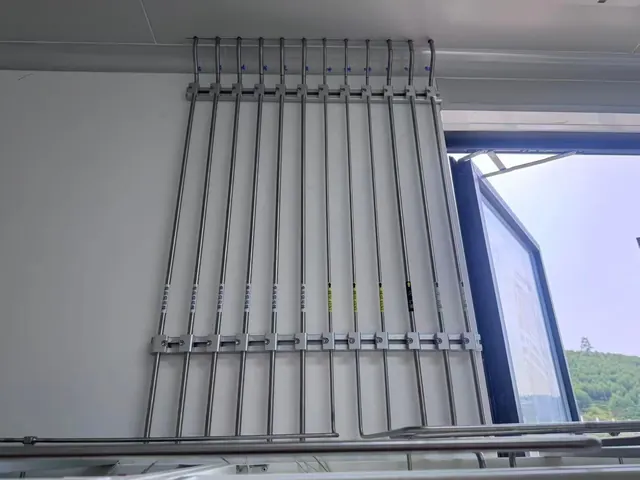
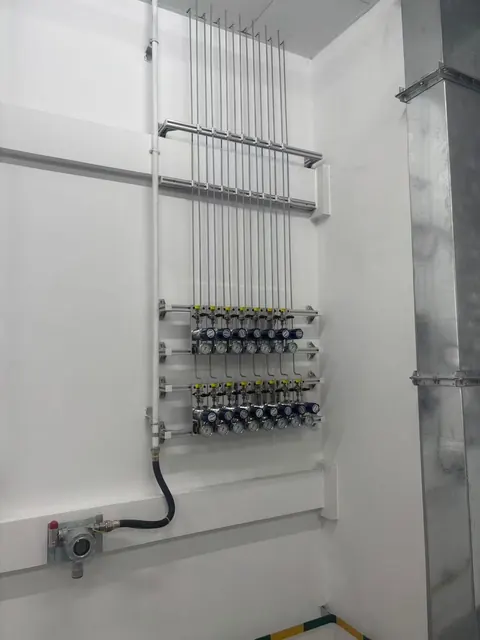
Pipeline distribution
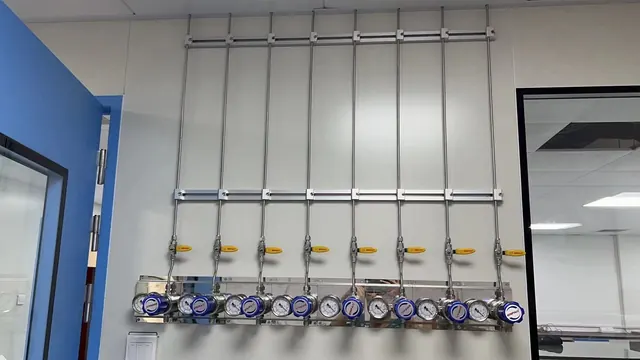
316L stainless steel tube, TIG welded; BA or EP grade is selected according to the gas, followed
by pressure holding and helium leak testing.
04
Area control
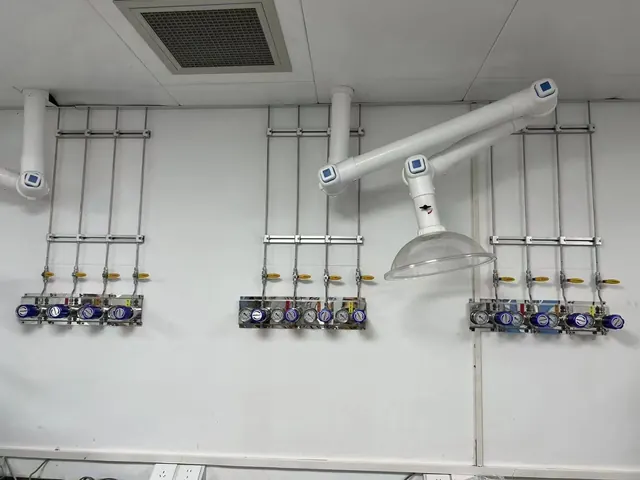
Area valve boxes are installed per floor or per laboratory zone, with pressure indication and
shut-off valves, so that service or expansion in one area does not disturb the others.
05
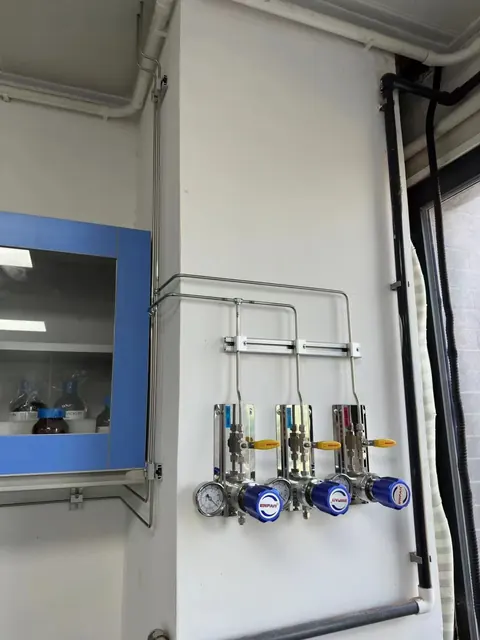
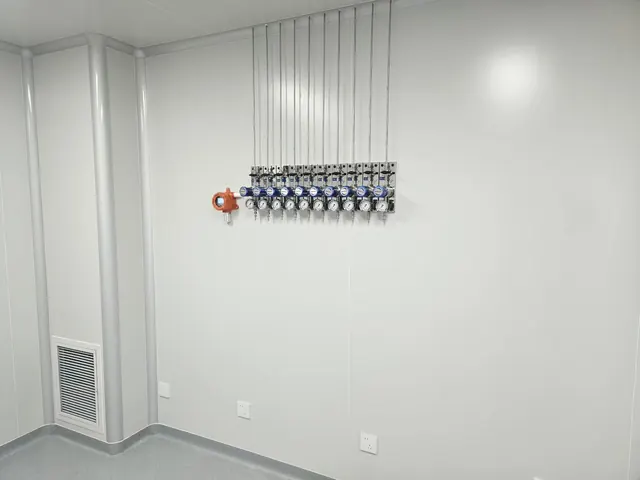
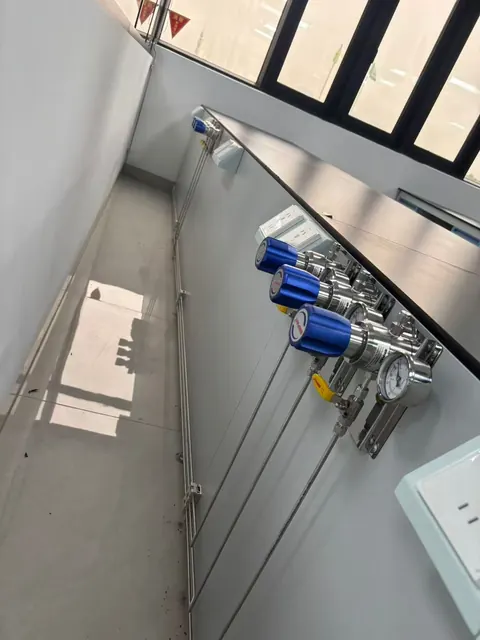
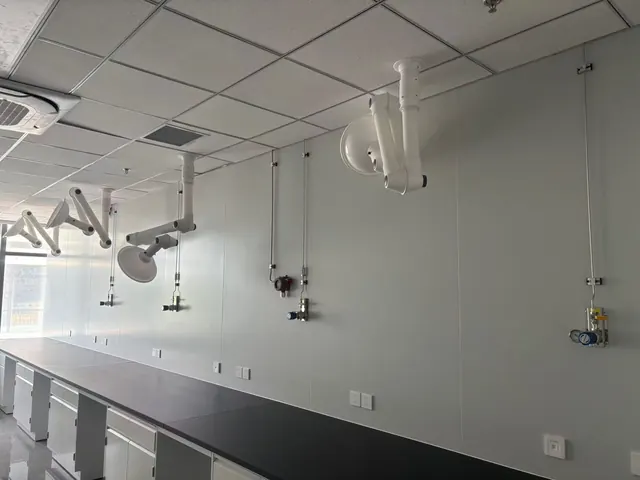
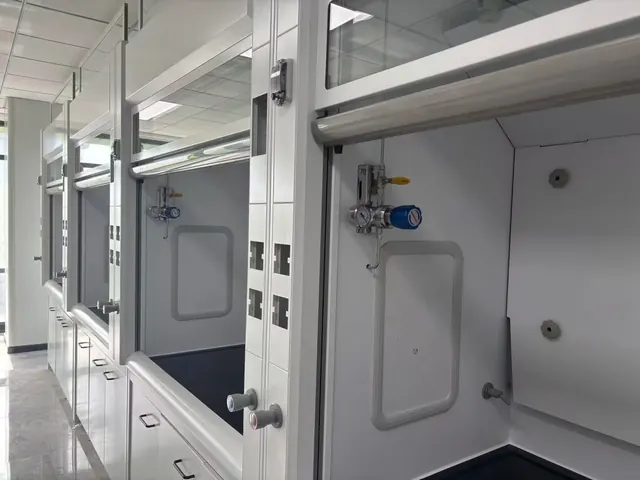
Point-of-use regulation
Bench-top and wall-mounted two-stage regulators deliver a stable outlet pressure and suit a wide
range of instruments and points of use.
06
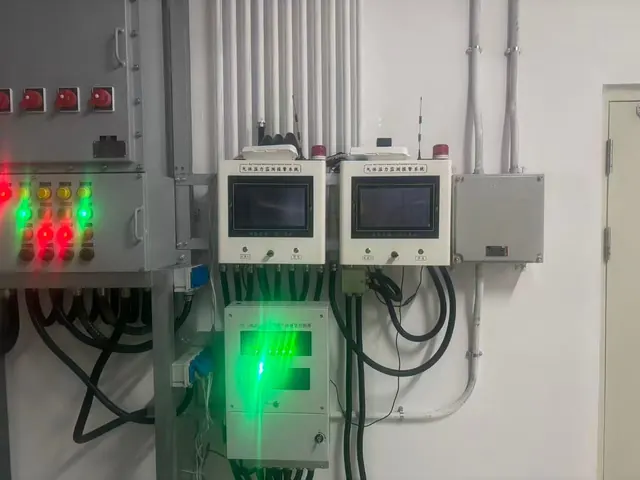
Monitoring and alarm
Low-pressure alarm, emergency shut-off and exhaust; for flammable and toxic gases, detection and
interlock are provided to code.
FIG. 02 — Laboratory central gas supply system schematic: gas source → first-stage regulation → distribution → area control → point of use → monitoring
02 / PRODUCTS
The product line behind a central gas supply system
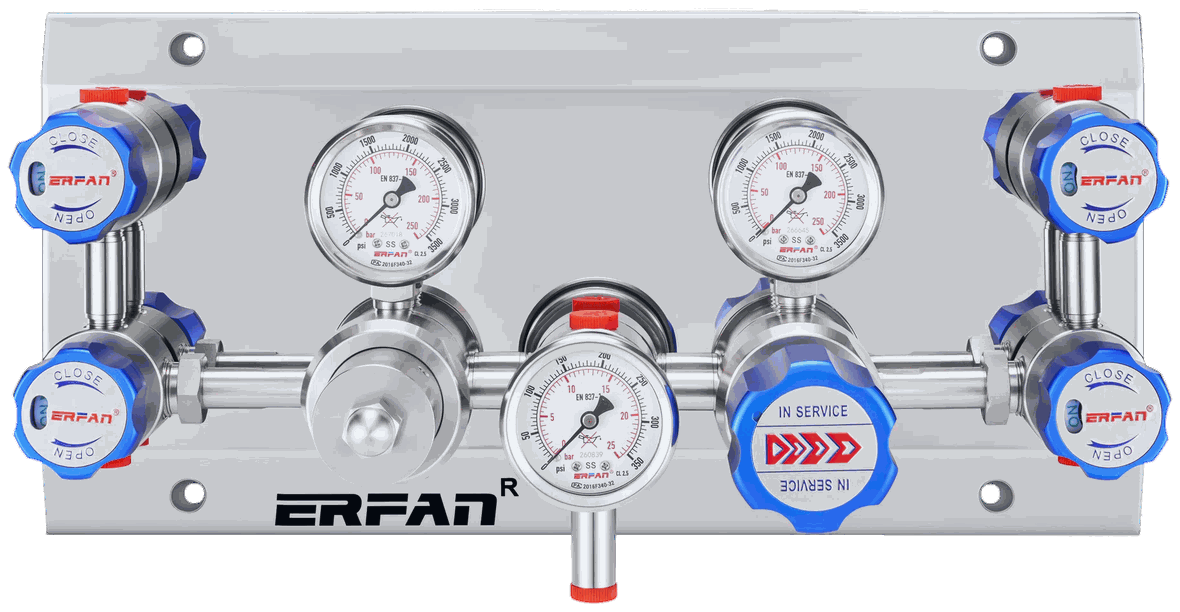
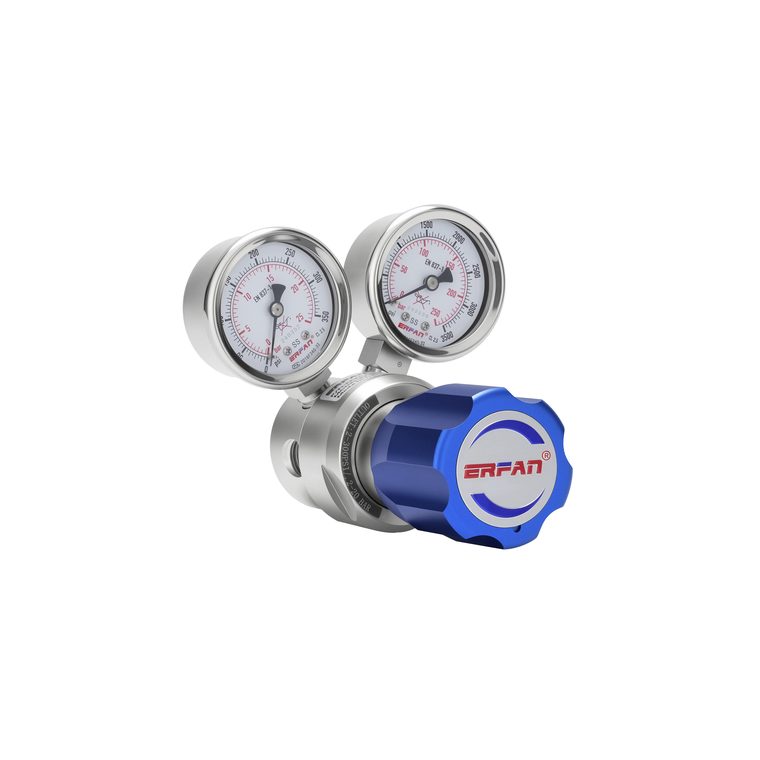
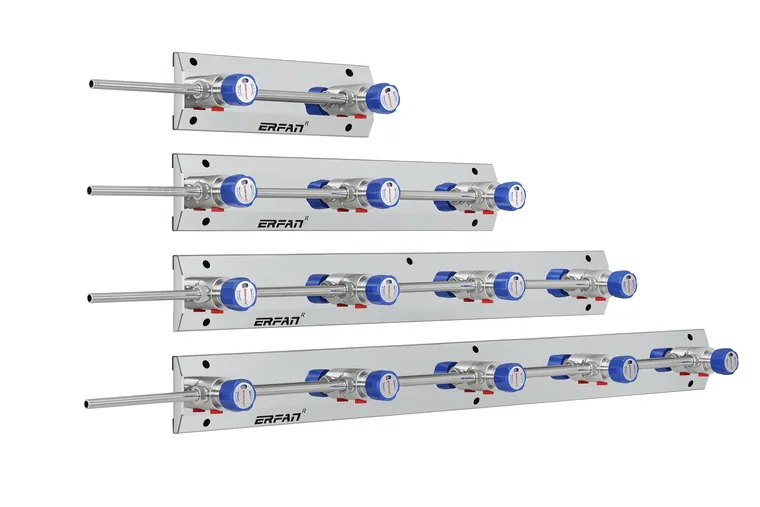
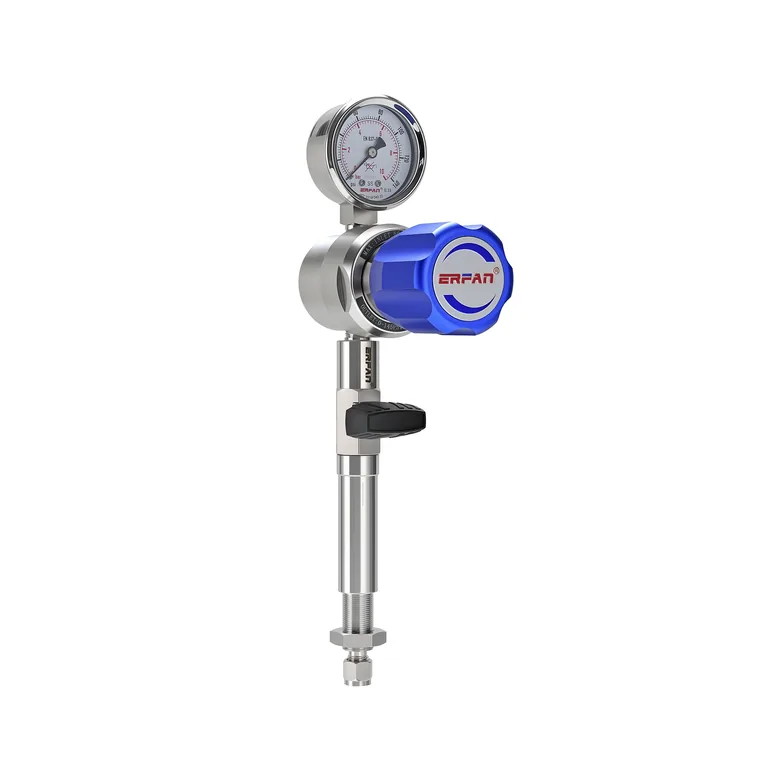
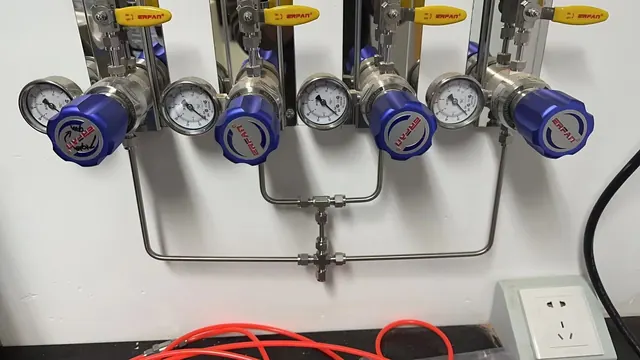
Alongside turnkey central gas supply systems, we supply regulators, changeover control panels,
point-of-use regulators and stainless steel fittings, covering the whole chain from gas source to
point of use, with standard models held in stock.
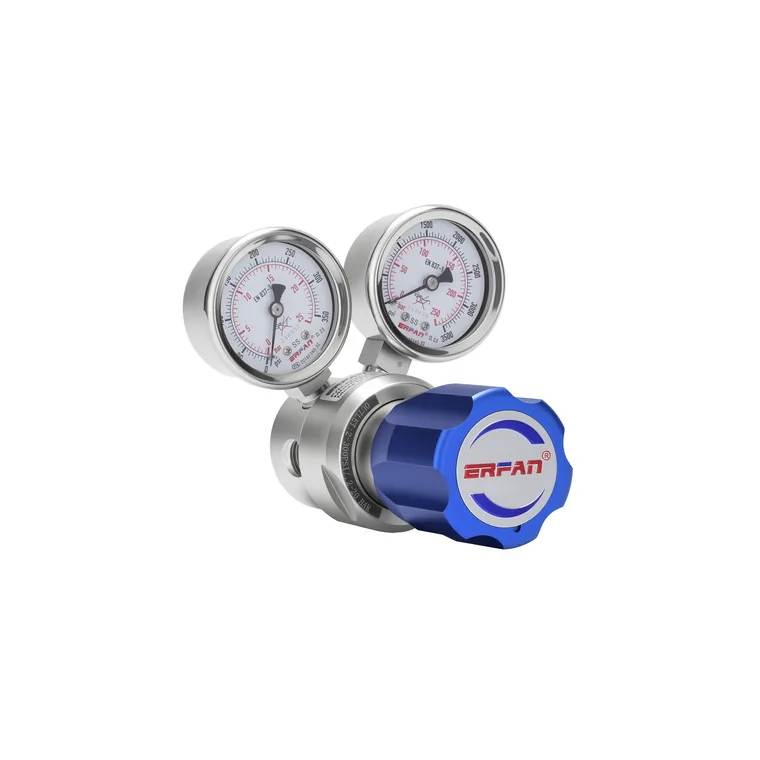
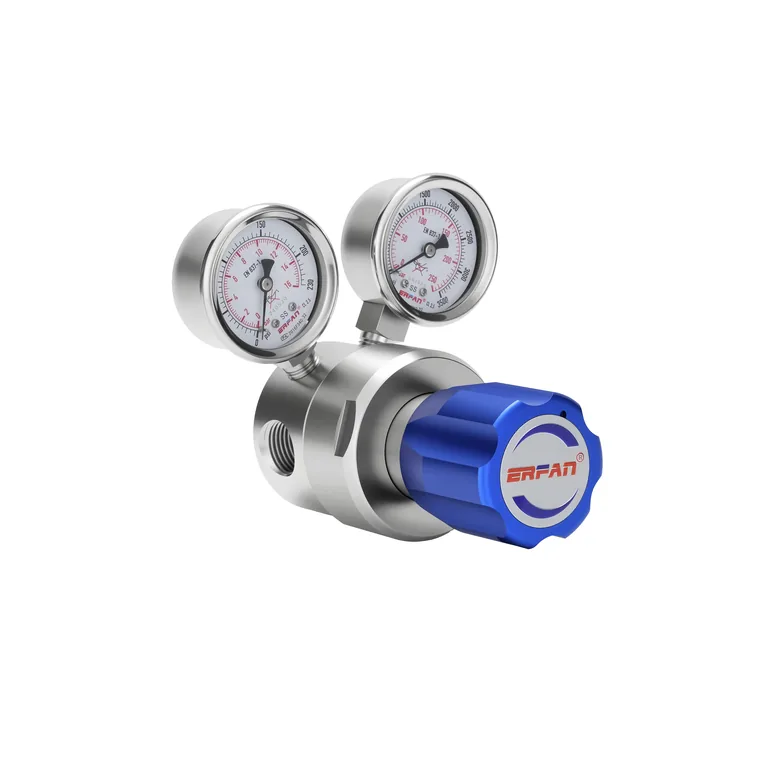
Single-stage diaphragm regulators, pressure control panels, point-of-use two-stage regulators and stainless steel fittings — 4 series in total, listed in full in the product centre.
Gas duty varies widely from one industry to the next: gas type, purity, flow rate, continuity of supply
and safety class all have to be calculated separately, so a template design will not do.
01
Universities
Teaching and research laboratories have many points of use, widely dispersed. The priorities are
zoned metering, gas safety training and room to expand later.
02
Research institutes
High-purity and specialty gases are consumed in concentrated demand, with strict requirements on
purity, pressure stability and pipeline background; each gas is calculated on its own.
03
Biopharma
Gas is used in clean and aseptic environments, so continuity of supply, traceable documentation and
coordination with cleanroom construction work all matter.
04
Chemical
Flammable, explosive and corrosive gases predominate. The focus is explosion-proof selection, leak
detection, emergency shut-off and ventilation interlock.
05
New energy
Battery and materials R&D commonly use hydrogen and nitrogen; flammable gases need a dedicated
circuit, with non-return protection and interlock.
06
Food
Nitrogen is used for freshness preservation, packaging and testing. Gas cleanliness, continuity of
supply and food-safety documentation are the deciding factors.
04 / FACTORY
Our own factory, with R&D, production, sales and engineering service under one roof
The company runs its own factory, so R&D, production, sales and engineering service close the loop
inside one organisation: design knows exactly where the limits of manufacture lie, manufacture knows
the site conditions, and engineering can trace every operation and test record. That is what lets us
commit to lifetime after-sales support.
01
R&D and design
Regulator construction is designed around the gas type and the actual duty, with outlet pressure
and flow rate verified against each point of use.
02
In-house production
Every product is machined and assembled in our own factory; critical operations are neither
subcontracted nor outsourced.
03
Pressure and leak testing
Strength test, leak test and functional operation check are completed before any unit leaves the
factory.
04
After-sales and engineering service
Our own installation crews handle commissioning, fault repair and operator training.
FIG. 03 — CNC machining of product components
05 / LIFECYCLE
From system design to after-sales service
One and the same team carries all four stages through to the end: design and installation are never
subcontracted and responsibility is never broken off in the middle; Beyond the ordinary · lifetime support.
System design
We survey the site and the gas demand, then issue a system flow diagram, pipe routing, product
selection and point-of-use schedule, with safety and future expansion allowance included.
Product manufacturing
Manifolds, pressure control panels, valves and prefabricated pipework are produced in our own factory,
with pressure, leak and functional testing completed before dispatch.
Site installation
Our own installation crews work to the drawings and carry out pressure testing, purging and
identification, coordinating with cleanroom and fit-out programmes as they proceed.
After-sales service
Our site engineers test and hand over the system and train the customer's own staff to maintain it,
while product repairs and on-site problems are handled directly by our engineers.
Hand us the gas demand and we will get it right, from gas source to point of use
Tell us the gas type and purity, the number and location of points of use, the flow and pressure required, and the building and safety conditions. We will return a system design and a configuration list within 3 working days.